

Managing Strata Building Defects in Melbourne: A 2026 Guide
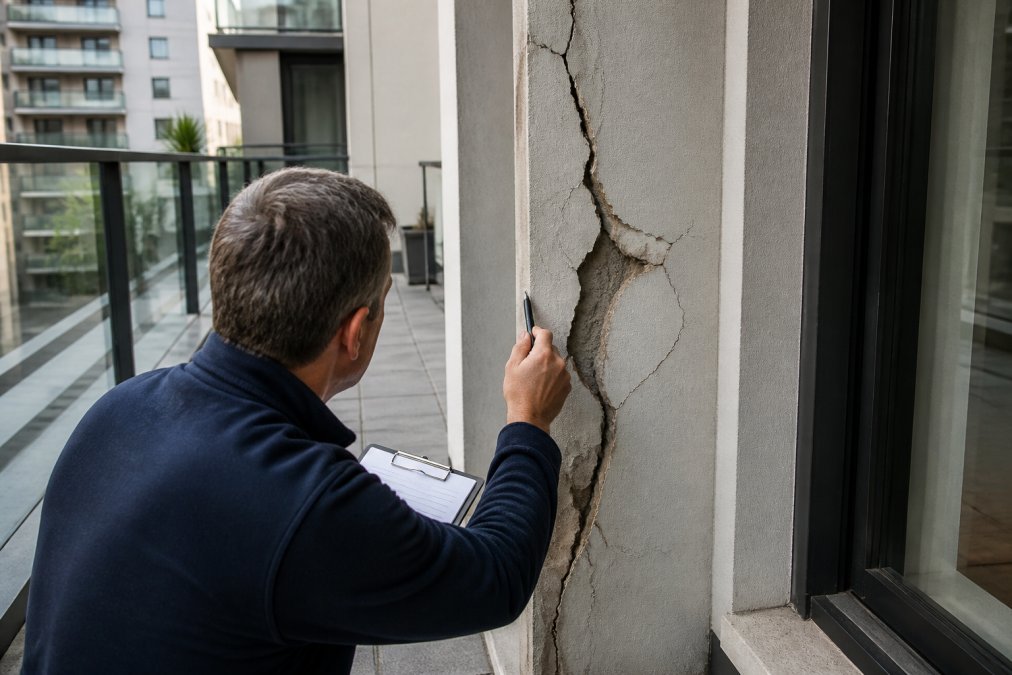
Table of Contents
- Step 1: Identify and Document the Defect
- Major vs Minor Building Defects Victoria: Know the Difference
- Step 2: Commission a Defect Inspection Report
- Strata Defect Inspection Report Cost: What to Expect
- Step 3: Notify the Owners Corporation and Builder
- How to Lodge a Building Defect Claim VCAT
- Step 4: Manage the Rectification and Monitor Progress
- Common Mistakes to Avoid
- Frequently Asked Questions
Last Updated: 20 September 2026
Step 1: Identify and Document the Defect
Managing strata building defects in Melbourne starts with one simple act: write it down. A defect is any fault in the building’s design, materials or workmanship. It might be a cracked wall, a leaking roof or a door that won’t close.
The Owners Corporation Act 2006 (Vic) gives committees clear duties here. You must act on defects that affect common property. So document everything from day one.
Here’s how to record a defect properly:
- Note the date you first spotted it
- Photograph the fault from several angles
- Write down which lot or common area is affected
- Keep any emails, quotes or reports in one folder
- Log who reported it and when
Major vs Minor Building Defects Victoria: Know the Difference
The split between major and minor defects decides how fast you must act. Get this wrong and you can miss a legal deadline.
Major defects threaten safety or make the building unfit to live in. Minor defects are smaller faults that don’t create that risk. The test comes from the building legislation, not from how annoyed the committee feels.
Structural and Safety Defects
These are the ones that keep committees awake. Look for:
- Cracks in load-bearing walls or slabs
- Water leaking into units or car parks
- Faulty fire systems or blocked exits
- Loose balcony balustrades
- Roof damage after storms
Any of these count as major. Treat them as urgent.
Non-Structural and Cosmetic Defects
These faults annoy residents but rarely endanger them:
- Paint flaking on common walls
- Tiles lifting in a hallway
- Sticking windows or doors
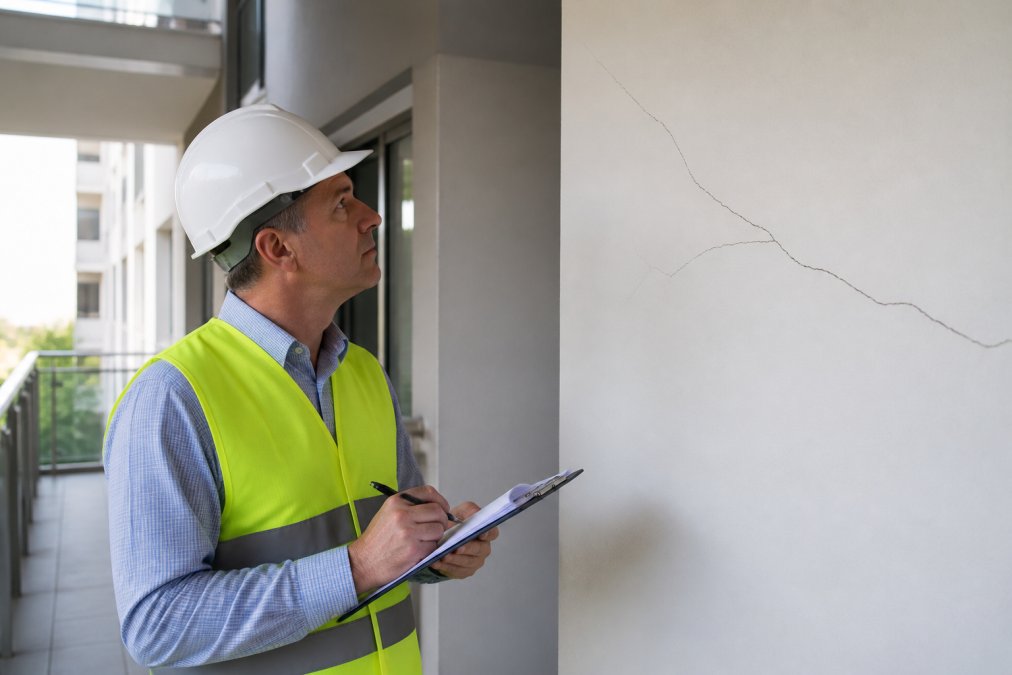
- Minor plaster cracks
- Worn carpet in shared areas
You still need to log them. Small faults can grow into big ones.
Labelling a major defect as minor is the costliest mistake a committee can make. If a safety fault is left untreated and someone is hurt, the Owners Corporation can face legal action and insurance problems.
Step 2: Commission a Defect Inspection Report
A defect inspection report is a written assessment by a qualified building consultant that lists every fault, its cause and the likely repair cost. It turns your rough notes into evidence.
Hire a consultant with strata experience. Ask for their licence and past reports. A good inspection covers:
- Common property and each unit’s exterior
- Roof, balconies and basement
- Fire and waterproofing systems
- Photos and a severity rating for each fault
The report becomes your proof if the matter goes further. Keep it safe.
Strata Defect Inspection Report Cost: What to Expect
There’s no fixed price for a strata defect inspection report. Costs depend on the building’s size, age and how many faults need checking.
A small block needs less time on site than a high-rise with hundreds of lots. Complex waterproofing or fire checks add more. So does the level of detail you request.
To keep costs predictable:
- Get at least two written quotes
- Ask what the fee includes and excludes
- Confirm the report meets legal standards
- Check whether follow-up visits cost extra
For current pricing, request a proposal from TOCS.
Step 3: Notify the Owners Corporation and Builder
Once you have the report, tell the right people in writing. This step protects your legal position.
Send a formal notice to:
- The Owners Corporation committee
- The builder or developer named in the contract
- Your insurer, if the fault may be covered
Keep the tone factual. Attach the report and photos. Ask for a written response within a set time.
Builders often have a duty to fix defects during the warranty period. That period is set by law, so check the current rules rather than relying on old advice. The Victorian Building Authority guidance on defects explains how the process works.
Send every notice by email and keep the delivery receipt. If a dispute later reaches a tribunal, a clear paper trail is worth more than any phone call.
How to Lodge a Building Defect Claim VCAT
If the builder won’t fix the fault, you can take the matter to VCAT. Learning how to lodge a building defect claim VCAT is a key skill for any committee.
The process is straightforward:
- Confirm you’ve tried to resolve it directly first
- Gather your report, photos and written notices
- Complete the VCAT application form online
- Pay the application fee
- Serve the documents on the builder
- Attend the hearing and present your evidence
VCAT handles building disputes under Victorian law (Before you apply – Building and construction disputes). Time limits apply, so don’t delay. VCAT’s building disputes page sets out the current steps and fees.
Step 4: Manage the Rectification and Monitor Progress
Approving the repair is not the finish line. You must watch the work until it’s done right.
Set clear expectations with the builder:
- Agree a start date and finish date
- Ask for progress updates in writing
- Inspect the work at key stages
- Hold back final payment until you’re satisfied
Then keep monitoring after the fix. Some defects, like waterproofing, only show problems months later. A follow-up inspection catches them early.
| Stage | Action | Who | Timing |
|---|---|---|---|
| Report | Log the defect with photos | Committee | Within days |
| Inspect | Commission a report | Consultant | Within weeks |
| Notify | Send written notice | Committee | Straight away |
| Claim | Lodge with VCAT if needed | Committee | Before time limit |
| Rectify | Monitor the repair | Committee | Until complete |
Common Mistakes to Avoid
Most committees lose time and money through the same few errors. Avoid them and the process runs far smoother.
- Waiting too long to report a fault
- Relying on verbal promises from builders
- Skipping the professional inspection
- Mixing minor and major defects in one claim
- Letting the warranty period lapse
A common mistake is treating a defect as a maintenance job. Defects and maintenance are different under the law, and mixing them weakens your case.
What most guides miss is the paperwork. The committee that keeps clean records wins far more often than the one with the loudest complaint.
Frequently Asked Questions
Who is responsible for fixing building defects in a strata property?
The builder or developer is typically responsible for rectifying defects that appear within the warranty period. For structural defects, this period is usually six years, and for non-structural defects, it is two years. The owners corporation is responsible for managing the claim and ensuring the builder is notified. If the builder fails to act, the owners corporation can pursue the matter through VCAT or other legal channels. It is important to document all defects and communicate formally with the builder.
How long is the warranty period for building defects in Victoria?
In Victoria, the warranty period for building defects is set by the Domestic Building Contracts Act 1995. For major structural defects, the warranty is six years from the date of completion. For all other defects, the warranty is two years. These periods apply to new buildings and renovations. It is crucial to lodge any claim before the warranty expires, as late claims may be rejected. Always keep records of when defects were first noticed and reported.
What is the difference between a major and minor building defect?
A major defect is one that affects the structural integrity of the building or makes it unsafe or uninhabitable. Examples include foundation cracks, roof leaks, or faulty electrical wiring. A minor defect is non-structural and does not pose a safety risk, such as cosmetic issues or minor plumbing problems. The distinction matters because it determines the warranty period and the urgency of rectification. Major defects must be addressed promptly to prevent further damage.
Can an Owners Corporation claim insurance for building defects?
The owners corporation can claim on the building insurance policy for certain defects, especially if they result from an insured event like a storm or fire. However, defects caused by poor workmanship or faulty materials are generally the builder’s responsibility, not the insurer’s. It is essential to review the policy and consult with the insurer before making a claim. In some cases, the owners corporation may need to pursue the builder through VCAT to recover costs.
Dealing with building defects is stressful, and committees shouldn’t have to manage it alone. Top Owners Corporation Solutions (TOCS) provides Melbourne-based strata management, expert support for Owners Corporation transitions, and reliable help for both residential and commercial properties. Our team keeps your records compliant and your repairs on track. Request a Proposal from TOCS and get your building defects resolved with confidence.