

Managing Mixed-Use Strata Developments: A 2026 Guide
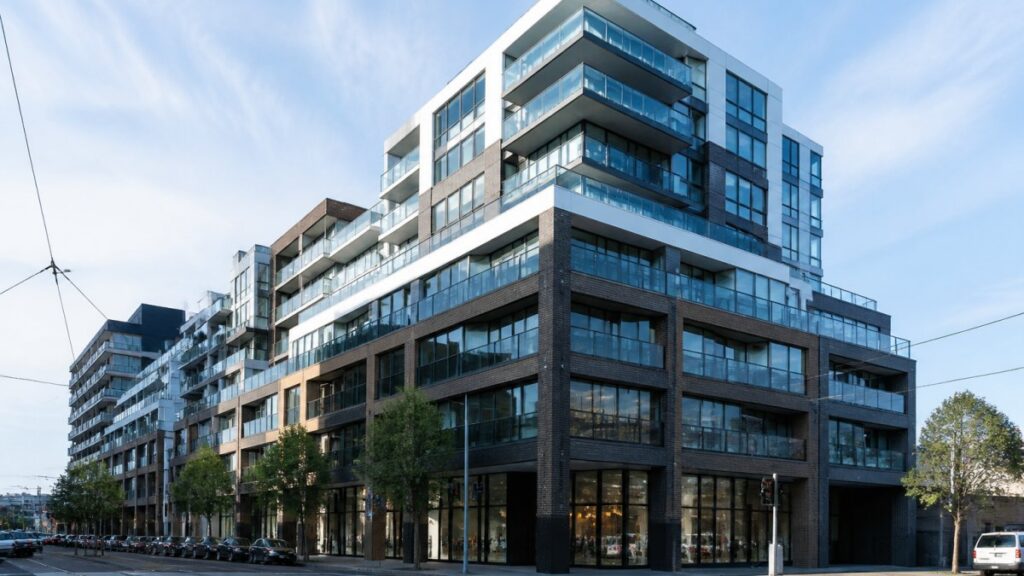
Table of Contents
- Understanding the Unique Challenges of Managing Mixed-Use Strata
- Establishing Clear Mixed-Use Strata By-Laws
- Managing Strata Levies for Mixed-Use Developments
- Frequently Asked Questions
Last Updated: 11 October 2026
Understanding the Unique Challenges of Managing Mixed-Use Strata
Managing mixed-use strata developments requires balancing residential owners seeking quiet enjoyment with commercial operators needing business flexibility, all sharing the same building systems, lifts, carparks, and common areas.
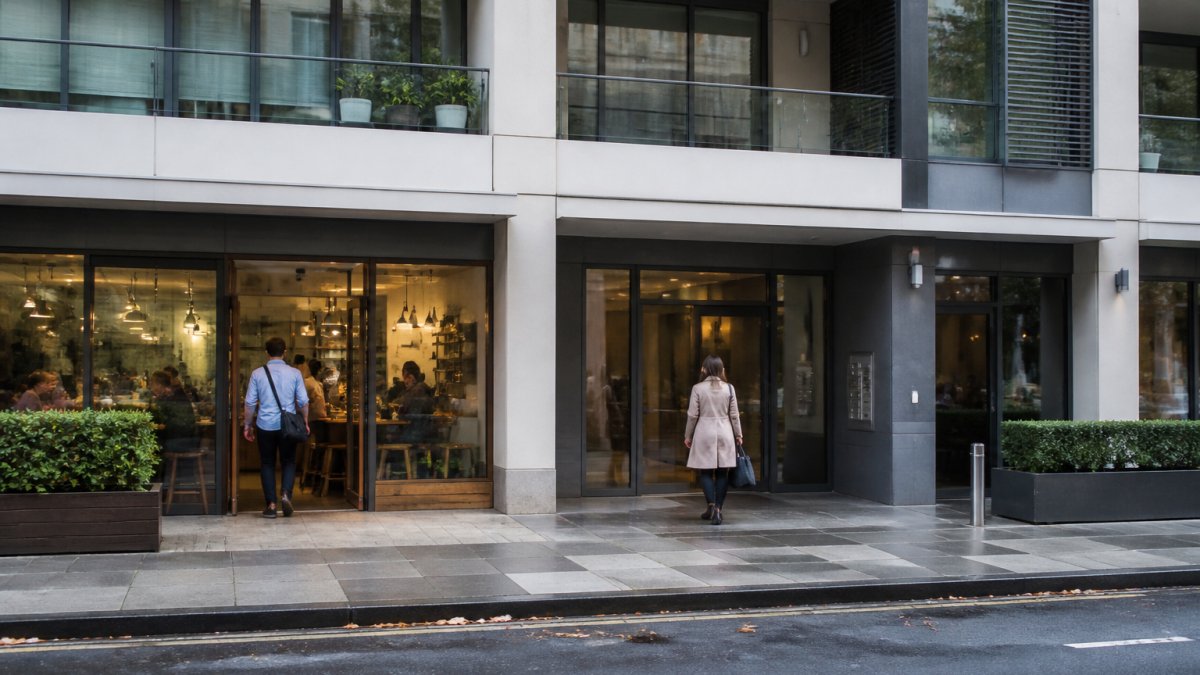
The biggest mistake committees make is treating mixed-use buildings like single-use ones: standard by-laws ignore commercial operations, levy calculations overlook different usage patterns, and dispute resolution moves too slowly when businesses lose money.
Mixed-use buildings need tailored governance from day one; generic approaches create ongoing conflict.
Key challenges include operating hour conflicts, shared facility wear with unpredictable maintenance costs, levy fairness disputes, and increased insurance complexity from commercial activity.
Establishing Clear Mixed-Use Strata By-Laws
Mixed-use strata by-laws must address what single-use by-laws ignore; explicit rules prevent months of dispute resolution.
Define permitted commercial activities precisely, specify whether retail includes food preparation, whether extraction systems are required, or whether only professional services are allowed.
Set operating hours explicitly, for example, 7am-10pm weekdays and 8am-6pm weekends for commercial tenants, with quiet enjoyment guarantees after 10pm for residents.
Address noise, odour, and smoke as by-law requirements: commercial kitchens must have extraction, bars must have soundproofing, and tenants must meet these standards before occupancy.
Define shared facility rules: commercial access to visitor carparks, loading zones, and common area storage must be explicit to prevent conflict.
Managing Strata Levies for Mixed-Use Developments
Strata levies for mixed-use developments can’t use flat per-unit calculations; a 200-square-metre restaurant and 60-square-metre apartment have vastly different usage patterns.
Most buildings use a hybrid approach: a base levy per unit for common area maintenance, plus usage-based charges for water, waste, and utilities proportional to floor area or consumption.
Some buildings add a commercial premium, commercial tenancies pay 1.5 times the standard levy because they generate higher wear on shared systems.
Document and publish your levy methodology annually showing how charges are calculated; transparency prevents disputes and ensures commercial tenants accept higher costs.
Managing mixed-use strata successfully requires specific by-laws, fair levy structures, and professional oversight to balance residential peace with commercial viability. Top Owners Corporation Solutions (TOCS) specialises in this complexity and helps committees navigate mixed-use demands. Request a proposal to discuss how we can support your development.
| Challenge | Solution | Outcome |
|---|---|---|
| Operating hour conflicts | Define explicit commercial hours in by-laws | Fewer noise disputes, clearer expectations |
| Levy fairness disputes | Use hybrid levy model with usage charges | Commercial tenants accept charges; residents see fairness |
| Shared facility wear | Assign maintenance responsibility by activity type | Predictable costs, faster repairs |
| Governance gaps | Establish commercial-specific by-laws | Fewer disputes, faster resolution |
Frequently Asked Questions
What is a mixed-use strata development?
A mixed-use strata development combines residential apartments, retail shops, offices, or other commercial spaces within a single registered strata scheme. Each owner holds title to their individual lot whilst sharing responsibility for common property such as foyers, carparks, and building systems. Managing mixed-use strata requires balancing the different needs of residential and commercial occupants under one governance structure.
How are costs divided between residential and commercial lots in mixed-use strata levies?
Strata levies for mixed-use developments are typically divided based on each lot’s unit entitlement, which reflects its proportional share of the common property. Commercial lots often have different schedules or higher levies than residential units due to greater usage of shared facilities or different operating hours. Your by-laws should clearly specify how costs for shared services, maintenance, and insurance are apportioned between residential and commercial owners.
How can a strata committee manage noise and access disputes between residents and commercial operators?
Mixed-use strata disputes often centre on noise, parking, and trading hours. Address these by establishing clear by-laws that define permitted activities, noise limits, and access protocols. Designate separate entry points where possible, implement quiet hours, and create a formal dispute resolution process. Regular communication between residential and commercial owners, plus early intervention by your strata manager, prevents small disagreements from escalating into costly conflicts.